

In one of our previous publications we told the story of the birth of a unique phenomenon — the Russian diaspora in Europe. The exiles of the first wave did not simply assimilate: they made Russian culture, scholarship, and spirituality an inseparable part of the European heritage. Today the cultural landscape of Europe is impossible to imagine without this contribution.
But how exactly did Russian Orthodoxy — the faith of a people persecuted and deprived of their homeland — become a living part of the Western spiritual tradition?
ROCOR: a Synod in a Ship’s Cabin and a Prayer Service on Its Deck
Our previous essay was devoted to the “Last Steamship” — the symbolic voyage that carried priests, professors, officers, and ordinary people away from Bolshevik terror. And though there were dozens of such ships, one of them carried a man destined to determine the fate of the Church in exile — Metropolitan Anthony (Khrapovitsky).
An eminent hierarch and the chief spiritual leader of the entire White movement, he was sailing into the unknown. On the deck of this ship, services were held daily. Folding camp tables stood in place of an altar, and in the improvised metropolitan’s choir, combat officers sang shoulder to shoulder with ordinary sailors.
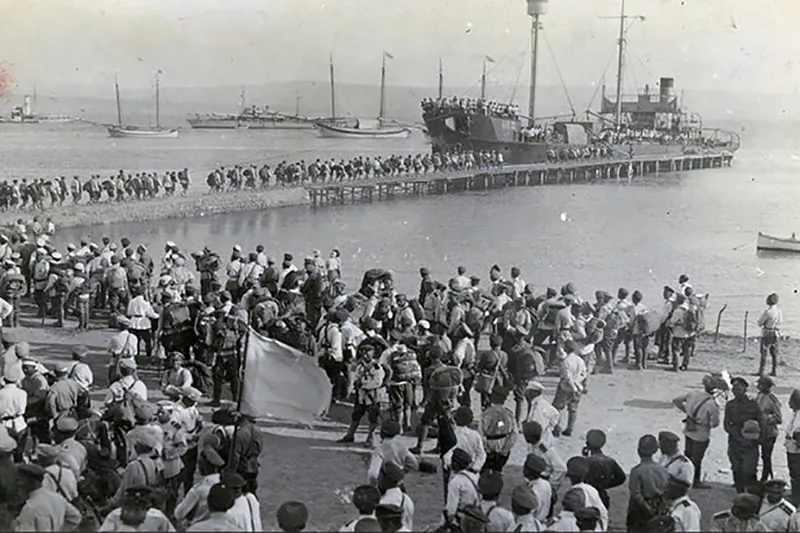
On the way, riding at anchor off Constantinople, rocking on the waves of the Bosphorus while awaiting permission to disembark, the Russian bishops came to understand: the old Russia was no more, but the Church had to survive.
Already en route, during the exhausting stops in the ports, the hierarchs began to organize the Supreme Russian Church Administration Abroad. The cramped ships’ cabins literally became the first chancelleries of the future Russian Orthodox Church Abroad (ROCOR). To Serbia, Metropolitan Anthony brought a ready-made draft of the structure that would soon become the free voice of the persecuted Russian Church. It was from here that ROCOR began its pastoral care of the Russian émigrés scattered across the world.
Having arisen as an “island of sorrow” and a spiritual capsule of pre-revolutionary Russia, ROCOR gave Europe far more than mere consolation for refugees. The most astonishing thing is that none of the hierarchs intended to create a “new church.” They were convinced it was a temporary measure: the Bolsheviks were about to fall, everyone would return home, and the administration abroad would be dissolved. But the “temporary” stretched on for nearly seven decades.
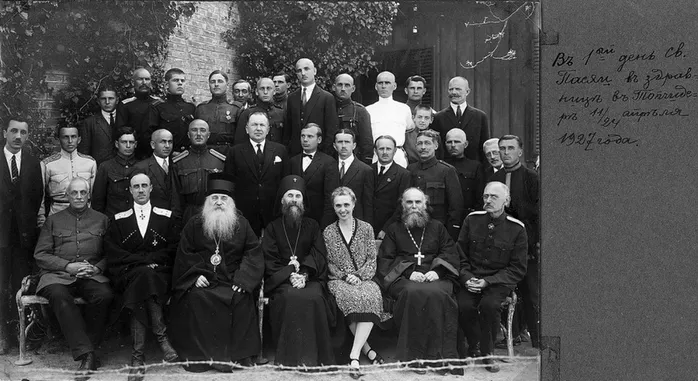
Over these years ROCOR built hundreds of parishes and monasteries across the world. The pattern was everywhere the same. Russian émigrés would arrive in a new place without a penny. They pooled their money, rented a tiny space, and brought in the icons that had miraculously been carried out of Russia. A former tsarist general became the parish warden, a former lady-in-waiting baked the prosphora, a university professor sang in the choir, and an engineer painted the walls with his own hands.
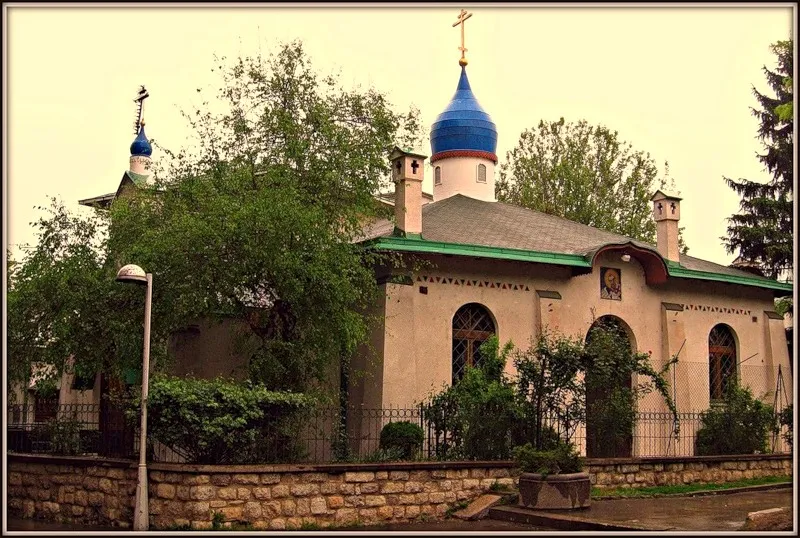
In Paris and Belgrade, Brussels and Berlin, and later in New York and San Francisco, the churches became more than places of prayer. Here people looked for work, taught their children Russian, and collected warm clothing for new refugees. It was a unique example of mutual trust: Europe gave the exiles a safe space to live, and they generously shared their soul with her. Grateful Yugoslavia, which had received the ROCOR Synod in Sremski Karlovci, became for decades the world center of Orthodoxy in exile, while Russian professors, engineers, and officers helped remedy the shortage of trained people in a country devastated by the First World War. Serbia received the Russians as its own, and this is not surprising. This was the elite of Russia, capable of enriching any society, and it showed itself an organic part of the European community.
Meanwhile in Paris: Rembrandt, Cubism, and the Sorbonne
Events in France developed no less dynamically.
If Belgrade preserved the church life of the Russian diaspora, Paris was destined to preserve and multiply its theological thought.
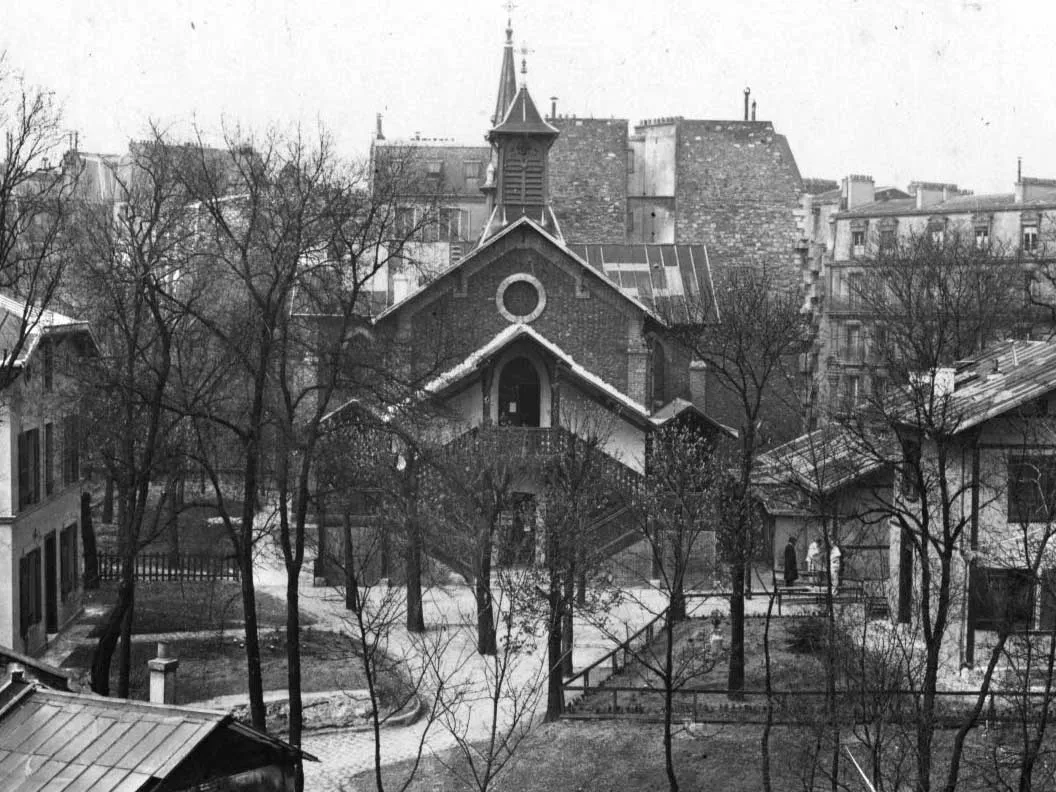
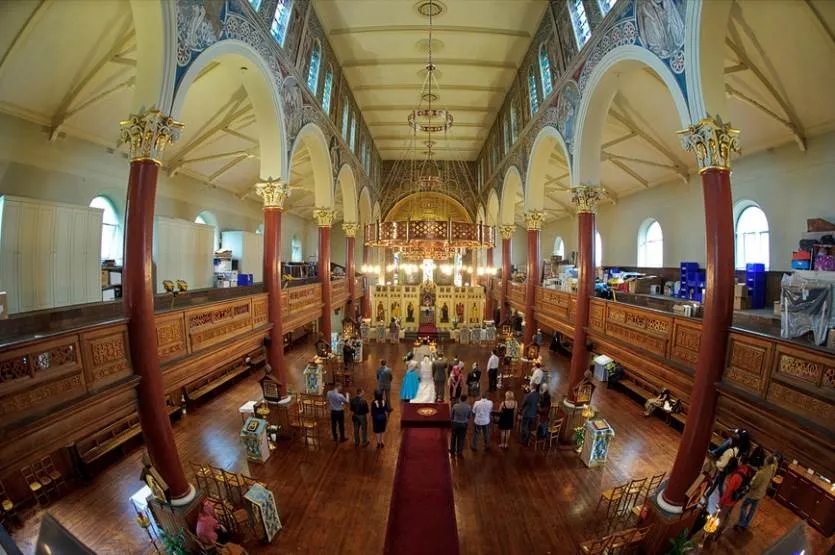
In the autumn of 1925, in a former German church on the Rue de Crimée, there gathered people whom the revolution had deprived of almost everything.
Sergius Bulgakov had lost his professorial chair.
Anton Kartashyov — his ministerial office.
Georges Florovsky — his homeland.
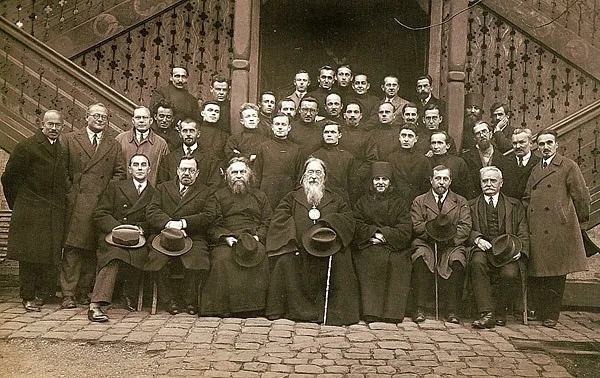
But it was here that they began to build a new theological school, which would soon become one of the intellectual centers of European Orthodoxy. And the works of its great thinkers — Sergius Bulgakov and Georges Florovsky, and later of the school’s next generation, Alexander Schmemann and John Meyendorff — would become required reading in the universities of Paris, Oxford, Athens, and Belgrade.
All the brilliant projects of the Russian émigrés began the same way.
In the early days its professors economized on public transport and went on foot. The building of the institute, a Lutheran church, was won at auction, though they had entered the bidding with no money. American supporters of Russian Orthodoxy helped pay off the debt. The story of how the Young Men’s Christian Association saved the chief intellectual center of Russian Orthodoxy in Paris from debtors’ ruin and closure is one of the most paradoxical and noble episodes in the history of the emigration.
Very soon this “Russian hill,” as the institute was called, in the 19th arrondissement of Paris became one of the most magnetic places in the French capital.
Indeed, every Russian parish in France presented a remarkable social cross-section: yesterday’s brilliant aristocrats prayed side by side with impoverished workers of the Renault factories, and yesterday’s academicians with humble provincial clerks.
France received not simply refugees, but the keepers of a thousand-year-old cultural code.
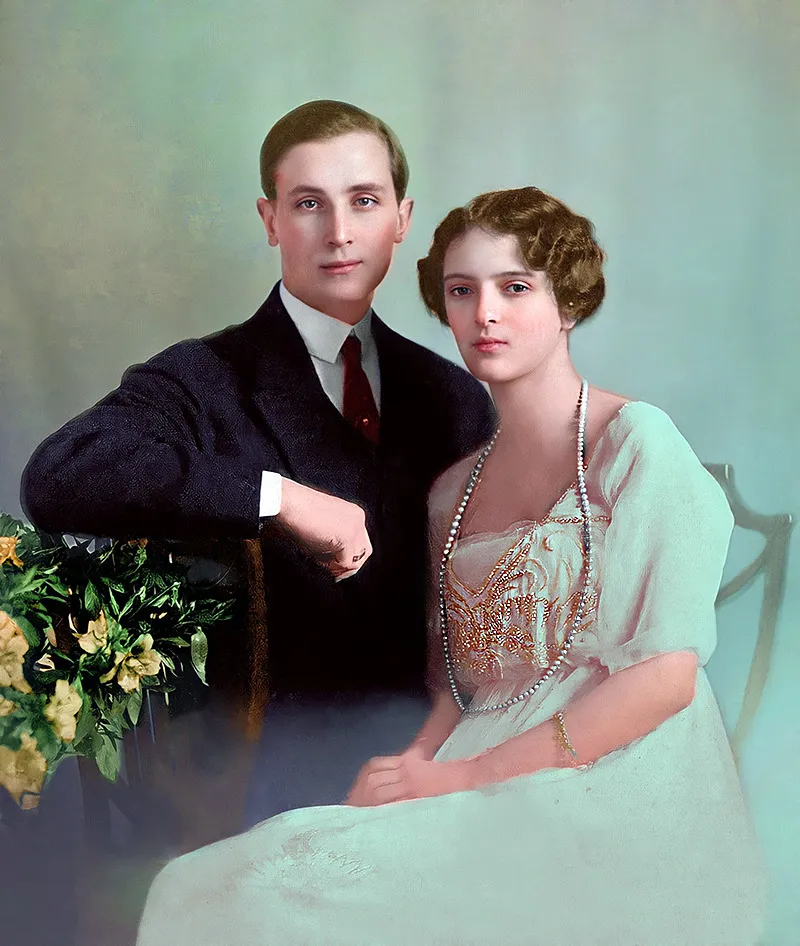
The French press breathlessly retold the story of how the famous Prince Felix Yusupov and his wife Irina (a niece of Nicholas II) pawned their surviving Rembrandt masterpieces and the Romanov family jewels in order to donate the money to the needs of the Russian Orthodox parishes of Paris. The story became a symbol of how the former imperial elite was learning to live anew and to help those who had ended up even poorer.
Very quickly the Institute of St. Sergius outgrew the bounds of the “émigré circle” and turned into a living cultural salon for artistic Paris. The great French Symbolist painter Maurice Denis would drop in, marveling at how free, alive, and far from cliché Orthodox icon painting could be. Albert Gleizes, one of the theorists of Cubism, was a visitor too: in the late period of his work he became fascinated by religious art and sought the spiritual laws of painting — of space and rhythm — precisely in the Byzantine icon.
The services at the podvorye — the institute’s church — were famed for their singular singing. All musical Paris came to hear this choir. Among the visitors were the composers Igor Stravinsky and Sergei Rachmaninoff, who prized the austere canonical chant free of theatrical pathos. French organists and conductors came here as to a living master class in ancient polyphony. In the end the choir of the podvorye became so famous that it recorded discs for the largest French music labels.
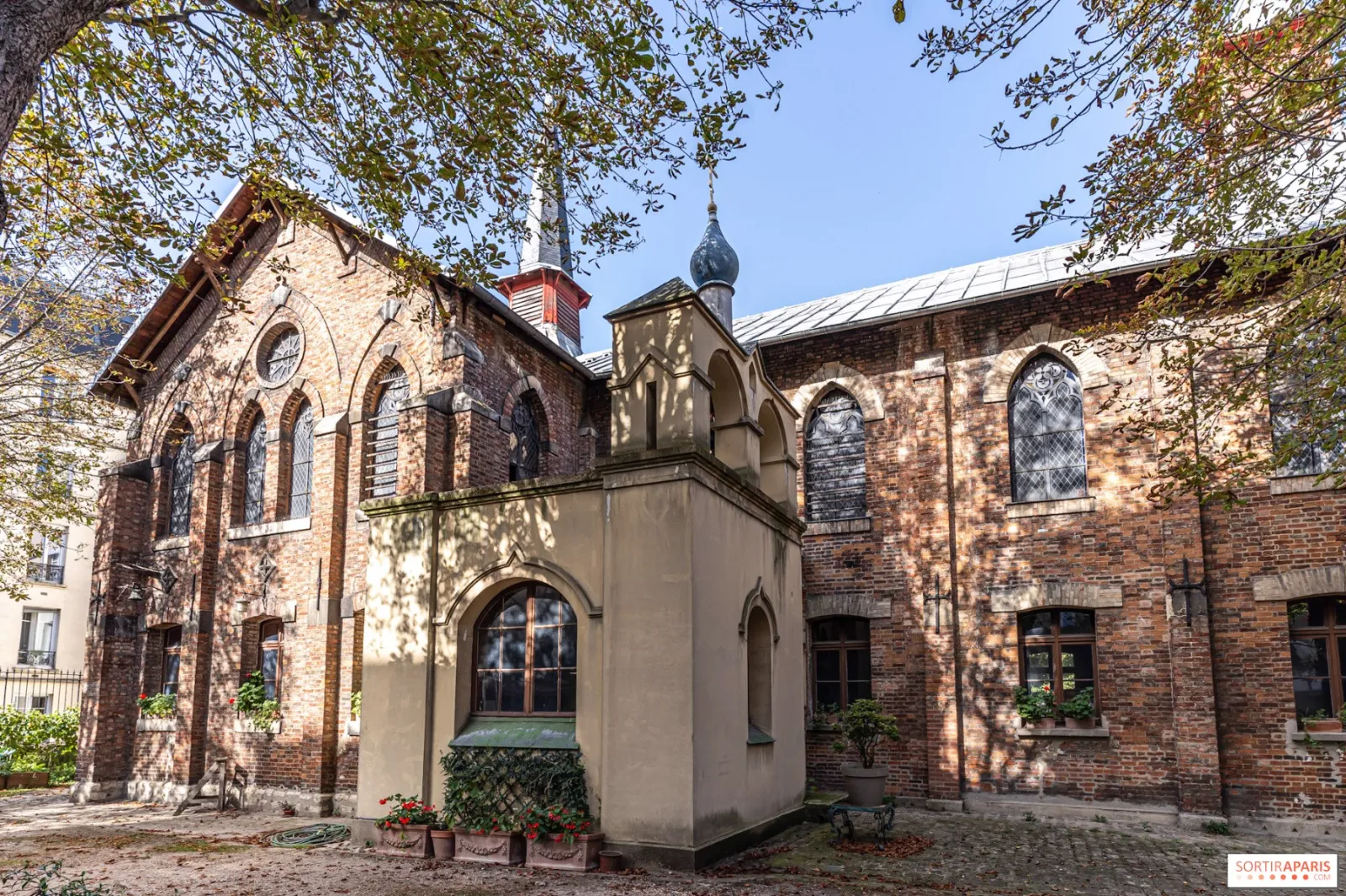
The St. Sergius Institute showed refined Paris an authentic, unvarnished Eastern spirituality, joining the antiquity of the Byzantine rite with the intellectual freedom of the twentieth century.
The Diocese of Sourozh: How Orthodoxy Came to Speak English
If Paris taught Europe to understand Orthodox thought, London taught Orthodoxy to speak English. And the chief architect of this miracle was Metropolitan Anthony of Sourozh (Bloom).
Taking charge of the community in London, Father Anthony carried out a true revolution of openness. He preached Christianity not as a national tradition or an ethnographic club, but as a living encounter between the human being and God.
Metropolitan Anthony understood: to live in Great Britain, the church had to speak English. He began to introduce English into the services, making the Dormition Cathedral in London bilingual. This opened its doors to the children of émigrés and to the British themselves.
The metropolitan became remarkably popular on the BBC. His profound talks, free of archaic pathos, and his open debates with atheists drew British intellectuals — professors, writers, students — to the Orthodox cathedral. People embraced Orthodoxy not for the sake of the exotic, but because they found here the pristine apostolic faith.
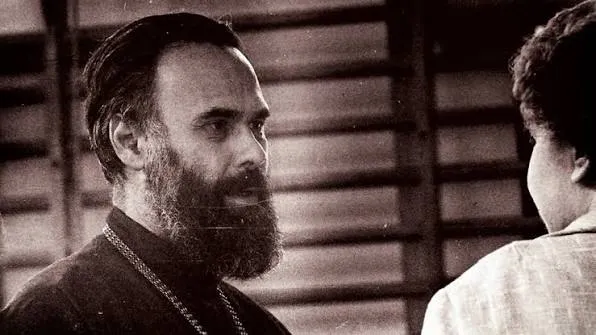
In London, Anthony created a unique community of “love and freedom,” where there was no place for stern shushing at newcomers.
He saw the mission of Orthodoxy in the West not in self-isolation but in generous giving. To his spiritual children he bequeathed:
“We must not tear ourselves away from the Russian element of prayer, and we must not fail to bring to it those who are seeking God. But you who have come to Orthodoxy here, on British soil, must share your own experience. You must learn from those who came here the tragic, profound experience of Russian Orthodoxy, which has passed through the crucible of trials. We are bound to create a diocese which, like the early Christian Church, will be open to absolutely everyone. So that everyone may meet the living God here and express their love to Him in any language. I myself walked this path in France, expressing Russian Orthodoxy in a language that was at first foreign to me, for people who were new and unfamiliar. We must become an organic part of the society in which we find ourselves, and bring Christ to it.”
Orthodox Russians became a magnet for the intellectual elite and the local aristocracy.
Postscript
A hundred years ago, Europe opened its doors to people who had lost their homeland.
And today it is hard to imagine the history of European Orthodoxy without the Belgrade of Metropolitan Anthony (Khrapovitsky), without the Paris of Sergius Bulgakov, and without the London of Metropolitan Anthony of Sourozh. The St. Sergius Institute, the monasteries of ROCOR, and the Diocese of Sourozh are perceived no longer as monuments of the Russian emigration, but as an inseparable part of the spiritual history of Europe itself.
Europe, having received the representatives of the Russian White movement, opened itself to the great Russian civilization, absorbing its culture and spirituality. Perhaps it was that mysterious, soulful Russian spirit so dear to Europeans that reminded the Europe of the twentieth century of its Christian origins.
Looking ahead, let us say: all three of these great stories would in the end converge. All their heroes — the White emigration and its descendants — would pass through the Great Depression and the war, live through the years of rebuilding, and in the end lead Russian Orthodoxy to what was bound to happen. To unity. For after all the collapses and catastrophes, Russian Orthodoxy could not fail to be reunited. Its European part (ROCOR) reunited with the Russian Church of great Russia, showing what it had never renounced — the DNA of its Russianness — and regaining what it had always loved: the bond with Russia.