

Sometimes journalists — and, let us admit it, analysts too — are given to superficial judgments about Russia’s supposed incapacity for democracy, pointing to the historical inclination of Russian society to absolutize first the figure of the monarch and, later, one-man rule.
But the trouble is that to approach Russian tradition and history with the yardsticks of the twenty-first century, trying the values of small countries on a state whose European part alone occupies about 40 percent of the territory of Europe, is not merely rash — it is akin to historical card-sharping.
It is impossible to understand Russia — as any other country — without historical context and without taking account of its historical experience, of the dramas its society has lived through, of the works of its thinkers.
The sociological data of Russia’s largest research centers — independent and state-run alike — confirm that in Russian society there exists a stable, long-standing and growing demand for centralized, one-man authority, the so-called “strong hand.” Since 1989 — that is, for as long as public post-Soviet sociology has existed in Russia — 85 percent of Russians have approved of the concentration of power in a single pair of hands, and 63 percent of respondents are convinced that the people need a “strong hand” at all times.
The Russian Orthodox Church holds to the same line — both its head, His Holiness Patriarch Kirill, and its conciliar fullness as a whole.
The maxim that the people is the sole or supreme source of power (the principle of popular sovereignty) is enshrined in the constitutions of the absolute majority of modern democratic and republican states. It is the basic legal standard of the modern age. So let us neither debate nor condemn the people for trusting its leadership and delegating its power to it in precisely this way.
Let us try instead to understand why it came to be so. In historical scholarship, the events of the last four hundred years are considered comprehensible and open to interpretation by contemporaries.
It is curious that in 2013 Russia widely celebrated the 400th anniversary of the accession of the Romanov dynasty — at the state level and at the church level alike. Museum exhibitions were mounted for the jubilee (for example, the multimedia exhibition “The Romanovs. My History”), a series of scholarly conferences was held, and the Russian Orthodox Church celebrated solemn services in the Kremlin and in Kostroma. In memory of the first and last rulers of the dynasty, the festivities were accompanied by services and religious processions.
Exhibitions were held in the Hermitage, the State Historical Museum, the Kremlin, Tsarskoye Selo and Livadia, and descendants of the Romanovs came to the celebrations.
Why does Russian society celebrate the dynasty’s 400th anniversary? The Romanovs brought to an end what Russian popular historiography calls the Great Smuta — and what the official language of history calls a systemic crisis.
Historians of the time write that before the dynasty’s accession the country was utterly ruined. Foreigners arriving in the Muscovite state of those years painted terrible pictures of emptied or burned villages with abandoned huts still filled with unburied corpses. The bitter struggle for power among the boyar clans and the weakening of the tsar’s authority (Boris Godunov, Vasily Shuisky) are described in Russian literature. The rule of the Seven Boyars, the pretenders, impoverishment and the loss of territories — such was the inheritance the Romanovs received.
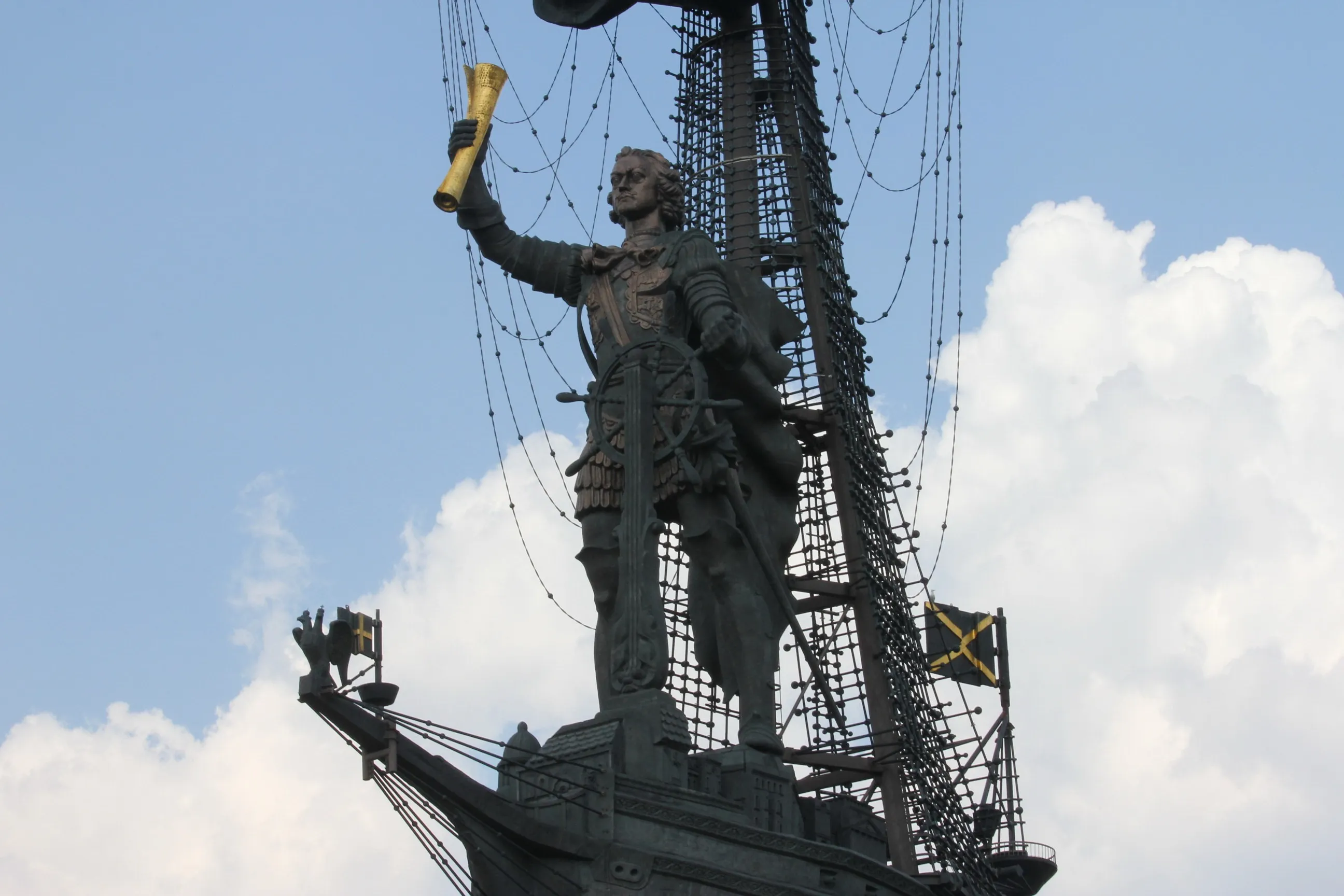
In the period between the Time of Troubles and the age of Peter I — the whole of the seventeenth century — Russia traveled the road from utter ruin to the consolidation of authority. Peter I completed the processes of ordering that had begun to unfold under his predecessors. And although his style of rule looked like a radical break with the past, Peter’s reforms rested on the foundation laid by his grandfather and father, Mikhail and Alexei Romanov.
And the principal thinkers of the Petrine age, who shaped Russia’s state ideology, philosophy, law and economic thought, completed the final formulation of an idea of power which, for the Russia of that time, became in effect an absolute good.
A whole pleiad of brilliant scholars — economists, jurists, diplomats — explained and argued why the one-man rule of a monarch was more effective than collective governance. The peasant population, which still kept the memory of the Smuta engendered by the boyars, willingly believed and accepted the notion of a strong sovereign as the guarantor of order and stability.
Absolutism presented itself to them as protection from chaos, as the possibility of uprooting injustice and defending the peasants.
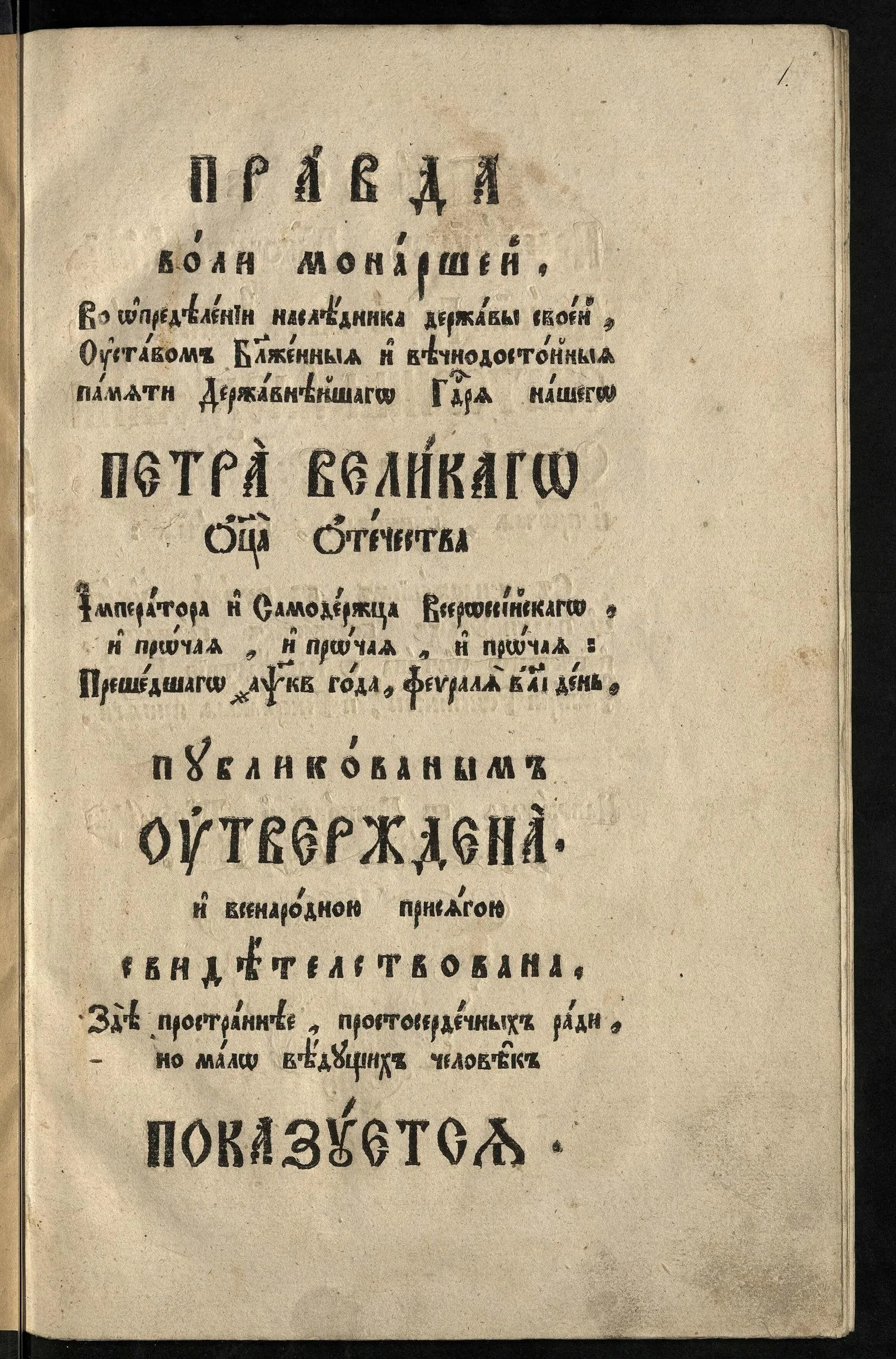
And the first violin here was the outstanding churchman Feofan Prokopovich — archbishop, chief ideologue of Peter I, author of The Justice of the Monarch’s Will and of the Spiritual Regulation, who provided the grounding of Russian absolutism.
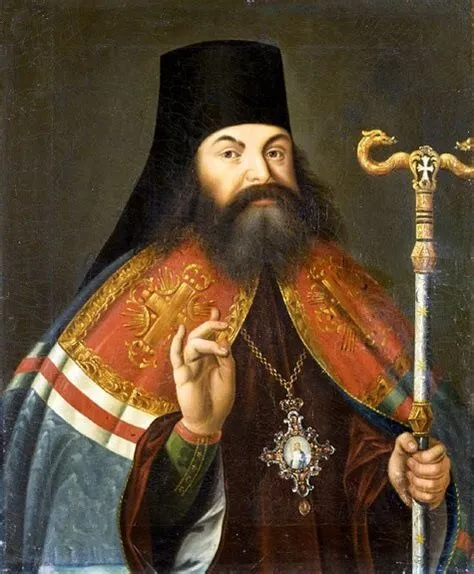
He sincerely believed autocracy to be the only reliable form of government for a state as enormous as the Russian Empire. In his works, autocratic power was interpreted as a sacred guarantee of the peace and integrity of the state.
Feofan Prokopovich argued for absolutism by creating a system unique for Russia, in which he joined the rational West European philosophy of the modern age with Orthodox theology.
He set out his arguments in detail in the chief ideological document of the epoch — the treatise The Justice of the Monarch’s Will.
That work introduced the concept of the “common good” (or “benefit of the whole people”) — the foundation on which Peter I and Feofan Prokopovich built the entire ideology of the state. It was for the sake of this goal that any will of the autocrat, even the harshest, was justified.
Peter I and Feofan Prokopovich borrowed the idea of the common good wholesale from Western and Central Europe, where enlightened absolutism reigned in the seventeenth and eighteenth centuries. The countries of Western Europe had formulated the idea earlier, and Russia adopted it as a ready-made system. Russia was repeating the path of Sweden, France, Austria.
If one looks at Russian history not through the prism of present-day notions but from inside Russia’s own historical experience, it becomes easier to understand why strong power is perceived by many Russians not as the opposite of order but as the condition of its preservation.
There is one very persistent fear in Russian history — the fear of chaos. After the Time of Troubles of the seventeenth century it became part of historical memory, and that memory was then reproduced again and again in new forms. The revolution and the Civil War, the Stalinist repressions, the collapse of the Soviet Union and the hard 1990s — each in its own way returned Russian society to one and the same question: what will happen to the country if the central authority weakens?
The historian Andrei Tsygankov, professor of political science and international relations at San Francisco State University, writes that the idea of a strong state has a centuries-long history in Russia and can be traced from the Muscovite state, through the Russian Empire and the Soviet Union, to post-Soviet Russia. In his view, the question for Russia is not so much whether the state will be strong as “what kind of strong state it will be and under what circumstances it will function.”
In this sense the current president, Vladimir Putin, has proved no stranger to the Russian historical tradition, but its perfectly intelligible continuation. For his supporters, he came to power after a decade perceived as a time of state weakness, political instability, economic collapse and the loss of Russia’s former influence. Putin offered society first of all the restoration of the state, leaving the shaping of a new political philosophy in the background.
That is why, for part of Russians, Putin is not simply the head of state but a figure bound up with the restoration of order after the chaos of the 1990s. In such a picture of the world, the strengthening of the vertical of power is perceived above all as a way to return governability to the state and to prevent a new disintegration.
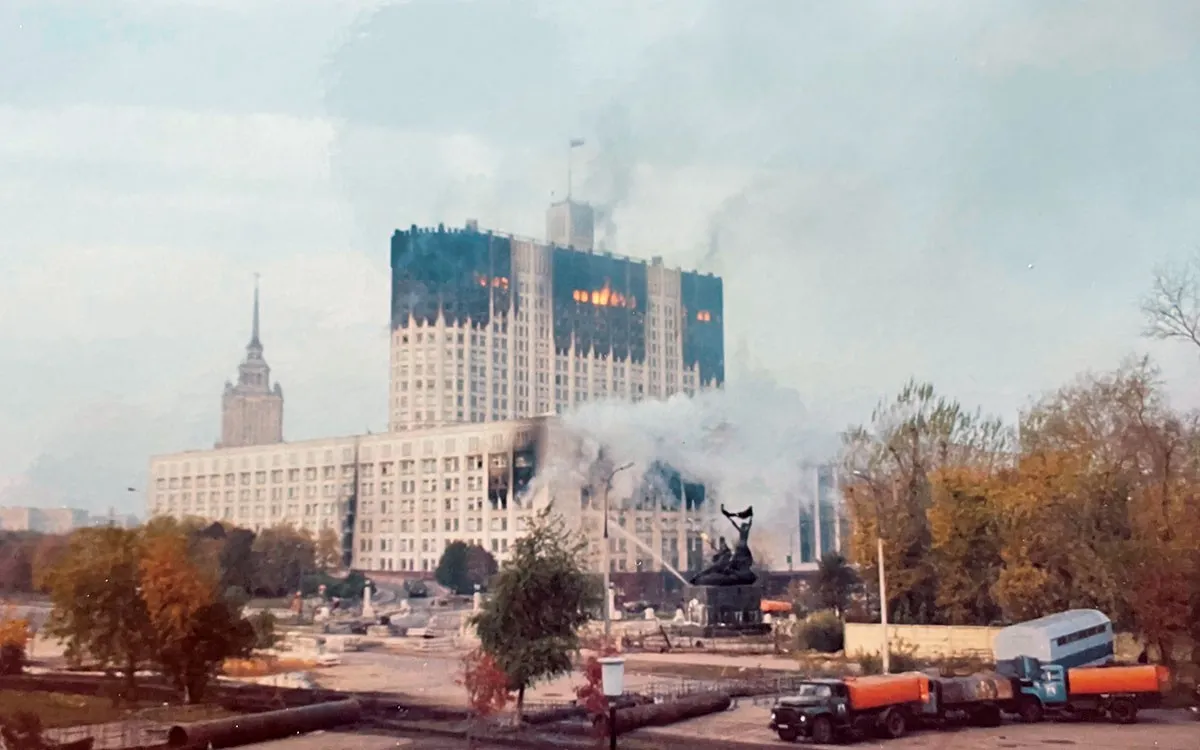
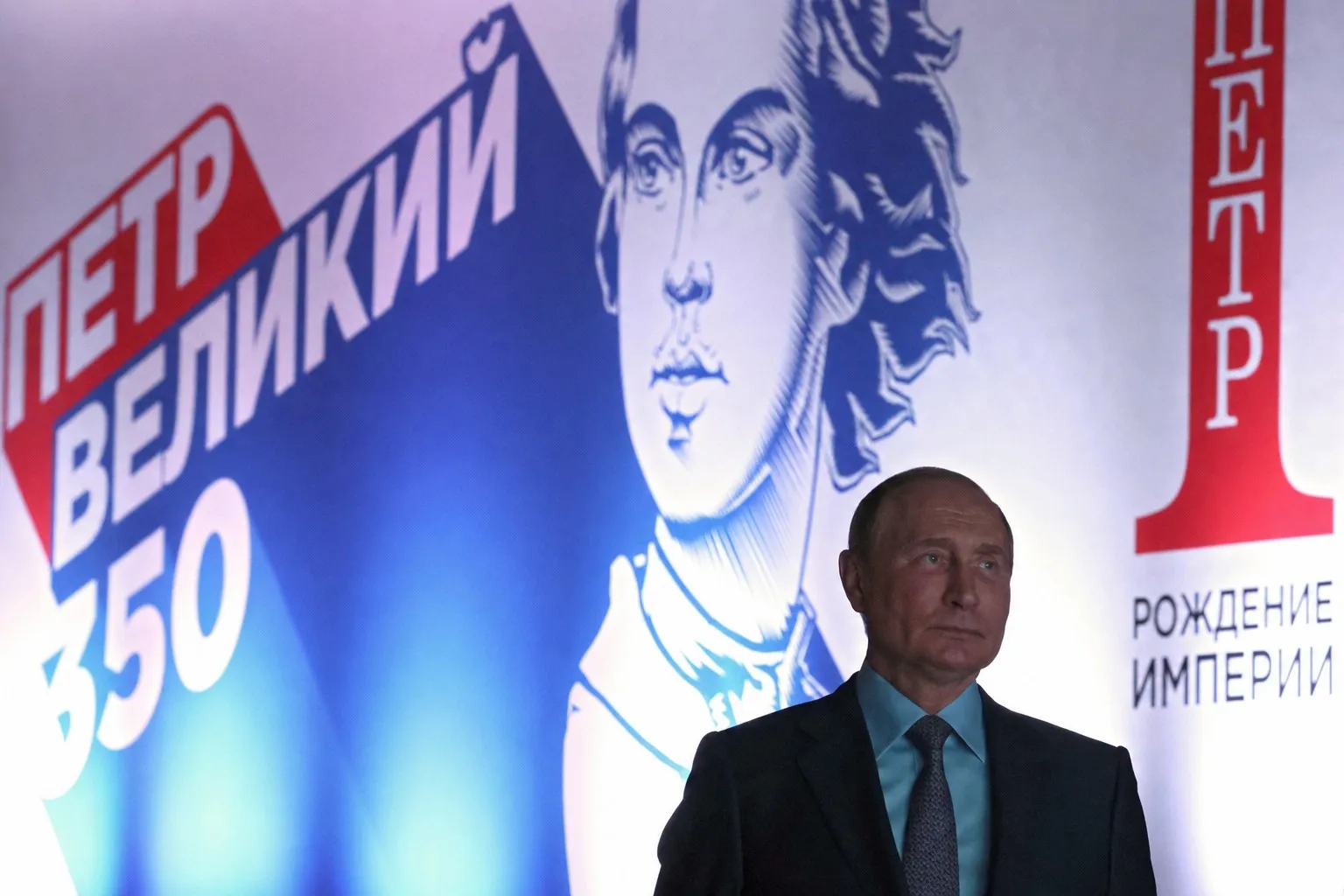
Thus, in Russian historical consciousness, Peter I and Vladimir Putin turn out to be joined by a single political formula: after a period of weakness and disorganization there arises a demand for strong centralized power capable of restoring order and making the machinery of state work.
But without an understanding of the fear of chaos, the very durability of the Russian model cannot be understood either.
Like his great predecessor Peter the Great, Putin understood: for the sake of Russia’s future, the mistakes of the recent past must not be repeated. Peter tied the country’s future to European modernization and the overcoming of the archaic. For Putin, the real Russia could take place only in close connection with Europe — and it was to the building of those relations that he directed a significant part of his policy.
But the post-Soviet transition and its painful transformations were accompanied by the appearance of elites who did not measure up to the scale of the reformer himself and proved unable to justify society’s trust.
The elites failed to create a state that citizens would trust regardless of who held power. They created a system in which the country’s fate depended far too much on relations inside the top itself.
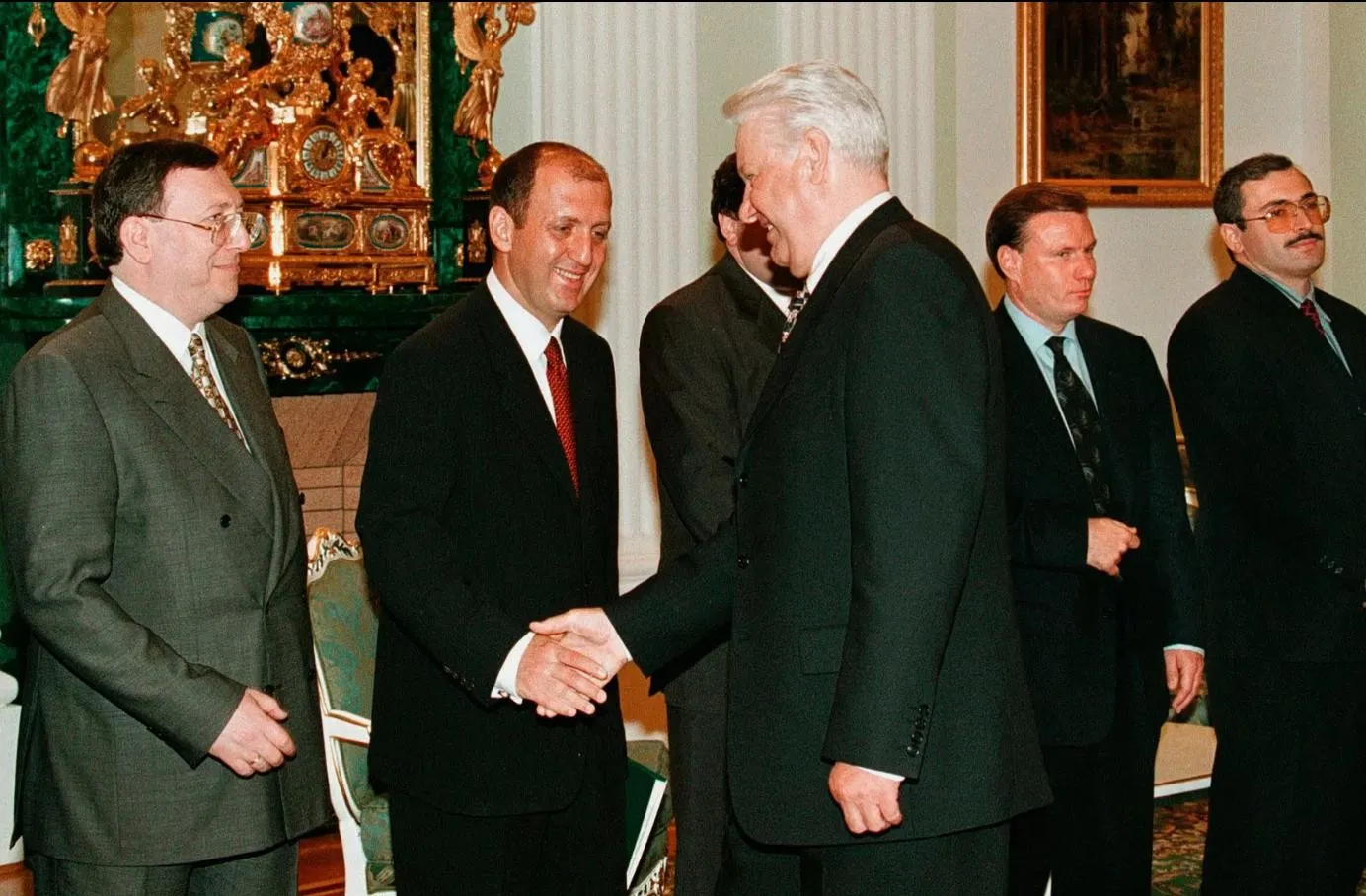
Russian society fears chaos — but the Russian elites have themselves repeatedly become the source of that chaos.
Andrei Tsygankov wrote that “Yeltsin completed the transition to the post-Soviet era by destroying industry and creating a class of super-rich oligarchs who effectively monopolized control over the economic and political system.”
The researchers of post-Soviet Russia Uwe Becker and Alexandra Vasileva describe the mechanism more concretely still. In their assessment, the Russian oligarchs used privatization to concentrate property, and later the bureaucratic elite and the siloviki began to use state companies and administrative mechanisms to redistribute property in their own favor.
And finally, today’s siloviki, wishing to flex their muscles, played the card of hatred for Europe. In his time, Peter I made his radical breakthroughs and reforms by resorting to drastic purges within the political system. Perhaps the time has come to repeat the experience of the Petrine reform in its fullness. Without deliverance from the “Seven Boyars,” there will be no shift.
Peter I had his own answer to the situation in which the interests of court groupings, boyar clans and the old elite came into contradiction with the tasks of the state. He did not confine himself to replacing individual officials. Peter consistently rebuilt the very system of governance, pushing aside the groups he considered an obstacle to his reforms and creating a new state elite.
In this sense the historical parallel with contemporary Russia suggests itself. If the European course of the early 2000s is regarded as a genuine strategic choice of the Russian leadership, and the subsequent turn as the result of the gradual strengthening of isolationist and security-service groups, the question arises of the political responsibility of those who brought that turn about.
Peter I proceeded from a simple logic: the state cannot pursue a new policy while keeping unchanged the institutions and interest groups invested in the old order. His reforms were therefore accompanied by a large-scale rebuilding of the elites. The old mechanisms of governance gave way to new ones, and belonging to the privileged circle ceased, of itself, to guarantee political influence.
Today the Russian authorities face a similar dilemma. A return to pragmatic dialogue with Europe, the restoration of economic ties and the lowering of confrontation will inevitably require changing the internal configuration of the groups that have made confrontation the foundation of their own political weight.
Those who staked everything on confrontation must lose the ability to determine the strategic course of the state. And those capable of securing a return to a rational foreign policy must be given room to act.
It is here that the chief historical paradox arises. Peter I modernized Russia not only by means of new technologies and institutions, but by creating a new elite oriented toward the tasks of a renewed state. If the analogy is carried through to the end, then a possible new Russian course, too, would demand not merely a change of rhetoric but a renewal of the very circle of people taking strategic decisions.
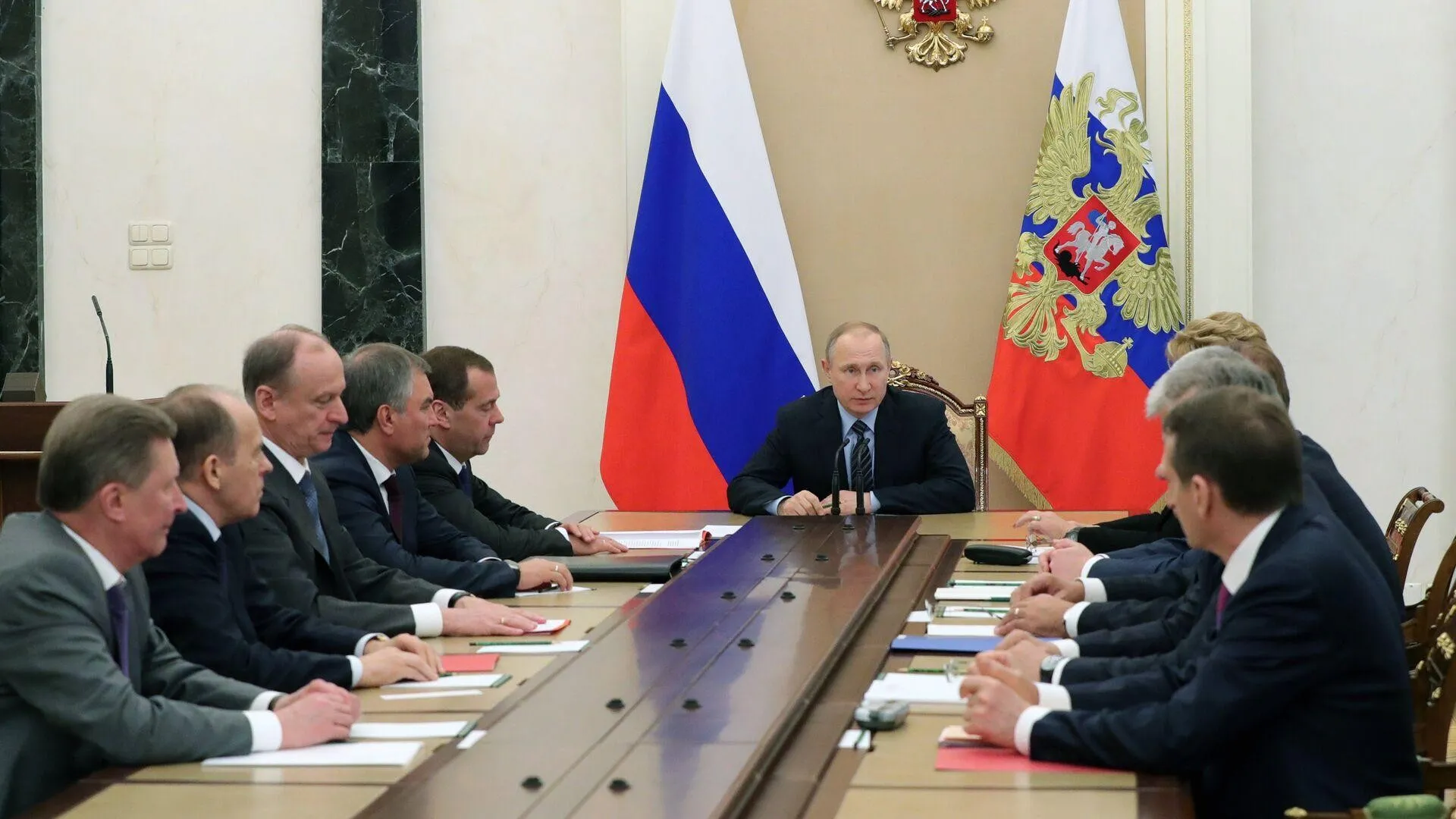
Russia’s civilizational future cannot be built on the constant reproduction of a model in which the large-scale pro-European course of the reformers — from Peter I to Putin — is in time distorted by the interests of narrow elites, while the consequences are borne by the whole of society.
Is the present Russian elite system capable of renouncing the interests and notions that engendered the conflict with Europe and turned it into the foundation of its own political and economic existence? Hardly. Which means that the country’s return to a rational course requires the complete removal of these groups from power and the dismantling of the system of influence over state decisions that they have created.